
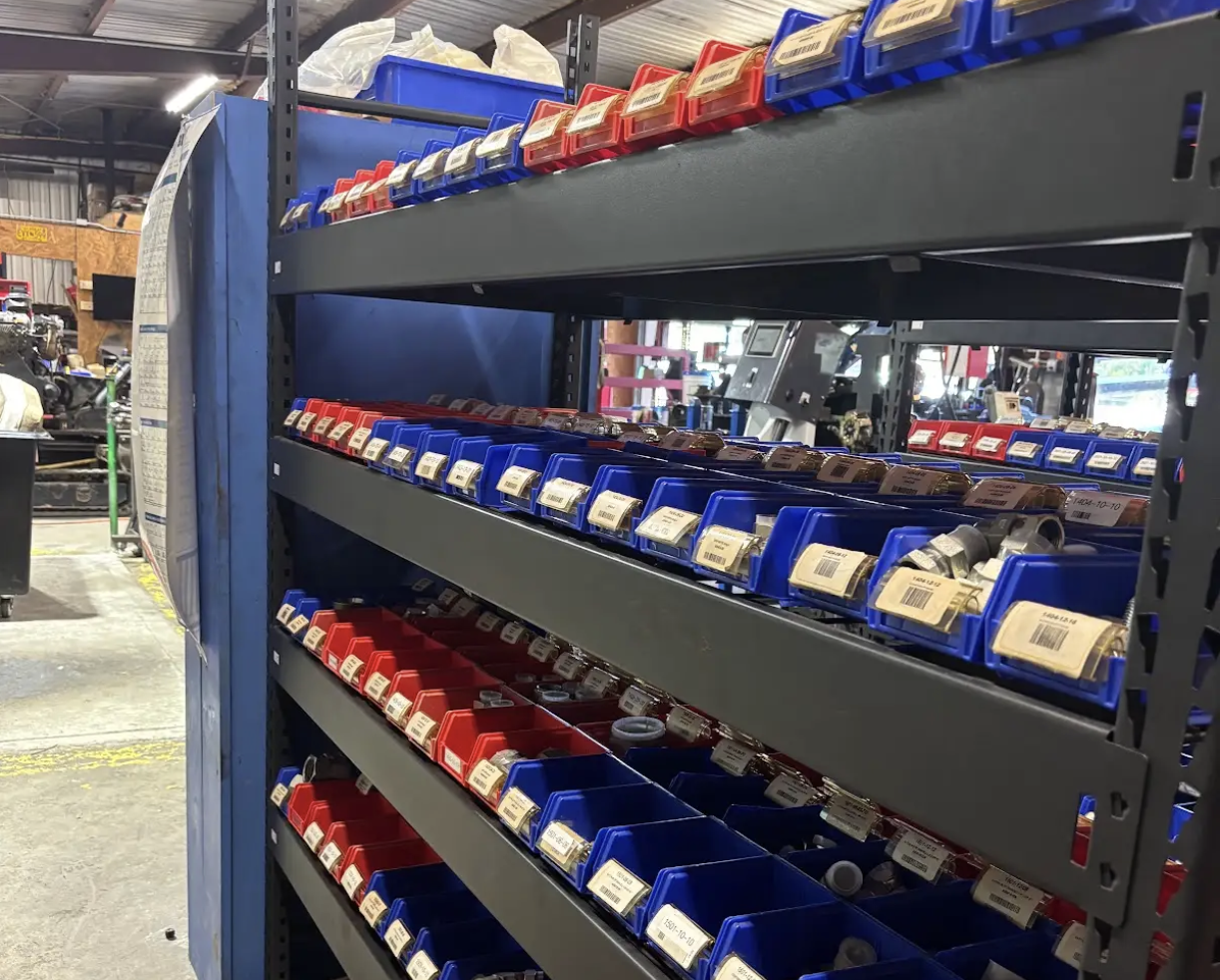
When maintenance teams and equipment owners encounter leaking connections or mismatched hoses, it can be hard to know whether the issue is a bad seal, the wrong thread, or simply the wrong standard. DIN hydraulic fittings are a common standard that can cause confusion for technicians who work across equipment from different regions. This guide also explains in clear, practical terms for homeowners who want to make a confident next decision.
Misidentifying a fitting can lead to repeated leaks, wasted downtime, and components that do not mate together as intended. That confusion adds labor, creates safety risks, and can slow a repair down, especially when parts need to be sourced quickly.
Knowing what DIN hydraulic fittings are, how to identify them, and when to use DIN adapters or replacements reduces guesswork and speeds repairs. This guide explains practical identification tips, common uses, and compatibility considerations drawn from field experience to help technicians and equipment owners make sound decisions.
What DIN hydraulic fittings are
DIN hydraulic fittings are standardized hydraulic connectors originally developed by German industry bodies and widely used where metric sizes and consistent sealing methods are preferred. These fittings define thread types, sealing faces, and mating geometries so parts from different manufacturers can fit together predictably. The standardization covers a range of styles including threaded adapters, hose ends, and tube fittings, which helps technicians match parts by measurement rather than by brand name.
DIN fittings often use metric thread forms and commonly rely on metal-to-metal sealing faces or cone seals for high-pressure applications. Because they were developed with industrial hydraulics in mind, many assemblies built in Europe and elsewhere adopt DIN standards for reliability. Recognizing the standardized intent behind DIN parts helps when sourcing replacements or when planning system upgrades.
When DIN fittings are used
DIN fittings are used when a system calls for metric threads, standardized sealing geometries, or when equipment from multiple vendors must work together with predictable performance. They are common on European construction machines, agricultural equipment, and industrial machinery that were designed around metric hardware. When technicians encounter equipment built to metric specifications, DIN fittings are often the correct choice.
DIN fittings are also selected for the availability of a broad range of compatible adapters and accessories that make maintenance easier. Where a hydraulic circuit needs minimal improvisation and maximum interchangeability, specifying DIN components reduces the chance of misfit. In mixed-standard systems, DIN hydraulic adapters let teams mate metric DIN ports to other standards without replacing major components.
Component temperature and system heat load also affect whether particular fittings and materials are appropriate. High fluid temperature and overheating in hydraulic systems are often caused by factors that either reduce the system’s capacity to dissipate heat or increase its heat load. Proper selection of fittings, hose materials, and routing can reduce thermal stress and prevent premature failure in systems that use DIN fittings.
How to identify DIN hydraulic fittings
Identify DIN hydraulic fittings by their metric thread pitch, stamped markings, and characteristic sealing faces or cone geometry. A careful measurement of the thread diameter and pitch with calipers and a thread gauge will distinguish metric DIN threads from imperial standards. Many DIN fittings also have manufacturer or standard markings on hex flats, collars, or the body that indicate the series or part family.
Direct visual clues include the shape of the sealing surface and the style of the hose end or tube adapter. Some DIN styles use a shallow cone or a flat sealing surface that mates with a corresponding port, while others rely on O-ring seats or bonded seals. When measurements are inconclusive, compare the part to a known DIN fitting or consult manufacturer documentation to confirm the match.
Practical tips for field identification
Use consistent measuring tools and keep a small reference set on hand to speed identification in the shop. Measure across flats to determine wrench sizes and record thread sizes in metric units to match parts quickly. A reference chart for common DIN series and their typical uses will prevent costly assumptions and reduce time spent ordering the wrong adapter.
DIN hydraulic adapters and compatibility
DIN hydraulic adapters are used to connect DIN-standard components to other fittings or to change thread types within DIN families. Adapters include male-to-female threads, reducer fittings, and swivel joints that maintain hydraulic integrity while allowing flexibility in assembly. They let technicians adapt existing systems without replacing entire manifolds or ports.
Compatibility depends on thread form, sealing method, and pressure rating, so matching these three aspects is essential when selecting an adapter. For example, a metric threaded male fitting that uses a cone seal must mate with a female port designed to accept that cone. Using the wrong sealing method will lead to leaks even if the threads engage. Always check the component specifications and pressure rating before selecting an adapter to avoid underperforming connections.
When bridging DIN to other standards, consider both mechanical fit and system performance. Adapters can introduce additional torque requirements and change the effective length of assemblies, which affects hose routing and bending stresses. Planning for those changes keeps seals from being overstressed and prevents fatigue failures during operation.
Material, pressure, and maintenance considerations for DIN fittings
Select DIN fittings with the correct materials and pressure ratings for the system to ensure longevity and safety. Common materials include steel, stainless steel, and plated alloys, each offering different corrosion resistance and strength. Matching the material to the fluid type, operating temperature, and environmental exposure reduces the chance of corrosion-related leaks or premature wear.
Maintenance practices include regular inspection of sealing faces, checking torque on threaded joints, and replacing damaged O-rings or seals during routine service. Cleanliness during assembly is critical because solid particles trapped in ports or on sealing faces can create channels for leaks. For shop-level repairs and component assessment, using established hydraulic repair processes yields more consistent outcomes, and teams often rely on experienced facilities for repeatable results such as hydraulic cylinder services.
For hydraulic cylinders that display leaking or poor performance, cylinder repacking and rebuilding can restore seals and tolerances without full replacement, saving time and materials. If a hose assembly needs a tailored end or length, qualified shops provide custom hydraulic hose assembly services to match pressure, length, and coupling type precisely. For broader system repairs and component swaps, experienced providers list their offerings under hydraulic repair services to help technicians plan scope and logistics.
Best practices when switching standards or sourcing replacements
Always document the existing fitting type, measurements, and system operating conditions before ordering replacements. A change in standard, such as moving from an imperial fitting to a DIN metric fitting, should include an assessment of port compatibility, potential need for adapters, and any influence on hose routing. Accurate documentation prevents repeated orders of mismatched parts and speeds up repair cycles.
Verify torque specifications and sealing surfaces at installation to avoid post-installation leaks, and keep a small inventory of common DIN adapter sizes and sealing components for emergency repairs. When in doubt about pressure capability or temperature limits, consult manufacturer data sheets to confirm that the selected fitting meets system requirements. Proper labeling of replaced parts and updating schematic drawings ensure future technicians can identify the adopted standard without re-measuring components.
Related resources for next steps
For more detail, review Keith Wayne’s hydraulic repair services page and its hydraulic cylinder repair, repacking, and rebuilding resource before making a final plan. These pages provide additional context about the services and decisions discussed above, while keeping the focus on what applies to your property and priorities.
You can also explore custom hydraulic hose assembly services when that aspect of the project affects your situation. For independent background, High fluid temperature and overheating in hydraulic systems are often caused by factors that either reduce the system’s capacity to dissipate heat or increase its heat load. offers high-authority educational guidance that supports a careful, informed decision.
Frequently Asked Questions
1. What makes DIN fittings different from other hydraulic standards?
DIN fittings are often metric and use standardized sealing geometries to ensure interchangeability. When technicians in Austell, GA evaluate fittings, Keith Wayne recommends measuring thread pitch and checking sealing faces to confirm DIN characteristics. Using this method prevents mismatches that cause leaks. Local shops like Keith Wayne in Austell, GA often keep reference parts for quick comparisons.
2. Can DIN fittings be used on high-pressure hydraulic systems?
Yes, many DIN fittings are designed for high-pressure use when the correct material and pressure rating are selected. Keith Wayne in Austell, GA inspects pressure ratings and material finish before recommending a fitting for a specific circuit. Proper sealing method and installation torque are critical to maintain pressure integrity. Technicians in Austell, GA should verify system ratings during service.
3. How do I know if my machine needs a DIN adapter or a full fitting replacement?
If the port geometry matches and only the thread or connection type differs, an adapter can provide a safe and efficient solution. Keith Wayne in Austell, GA evaluates whether an adapter will affect hose routing or introduce stress before suggesting that option. If sealing faces or port damage exists, full replacement is often the safer choice. In Austell, GA, experienced repair shops can inspect components and advise the best approach.
4. Are metric DIN fittings more common than SAE or BSP in local fleets?
Metric DIN fittings are common on equipment built to European or international standards, while SAE and BSP appear more on equipment from other origins. Keith Wayne in Austell, GA frequently encounters mixed fleets and recommends measuring and documenting each port to determine the prevailing standard. Keeping a record helps field techs and shop staff in Austell, GA make faster repairs and avoid ordering errors.
Conclusion
Understanding starts with clear information, realistic priorities, and attention to the details that affect your property. Homeowners in Austell, GA can use the points in this guide to compare options, ask better questions, and make a confident next decision.
Keith Wayne Is Ready to Help in Austell, GA
Keith Wayne provides experienced diagnosis and parts matching for hydraulic fittings and adapters in Austell, GA. If you need assistance identifying DIN fittings or planning a repair, use the company website or contact form to share measurements and photos. The team can recommend replacement strategies and help source compatible components. Their experience helps minimize downtime and maintain equipment reliability.
